The Definitive Guide to Pos
POS: Retail Point-Of-Sale Solutions Streamline Deals
Some Known Facts About Point Of Sale Software.

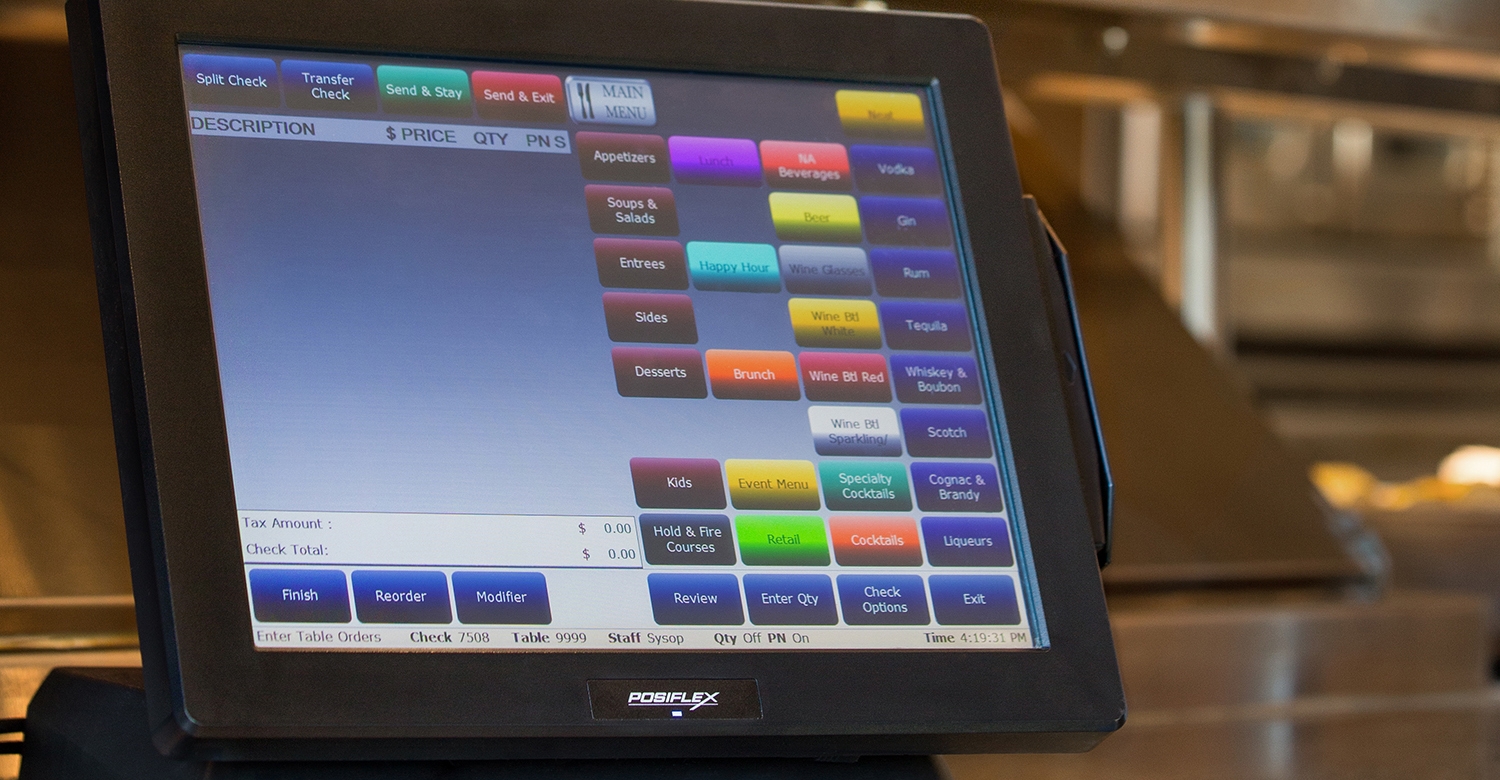
Hardware Components of a Point of Sale System What makes a POS system tick? It's not just software application; the hardware plays a starring function. Think about it as the body to the software application's brain. Without the right hardware, even the most sophisticated POS software is just a pretty face. Necessary POS Hardware So, what are the must-haves? Let's simplify. The main processing system, frequently a computer system or tablet, is the heart of the operation. The screen or touchscreen show permits staff to connect with the system. A barcode scanner accelerate the checkout process. Remember the days of by hand entering each code? The reliable receipt printer supplies customers with a record of their purchase. A cash drawer keeps your money safe and arranged. A card reader allows clients to pay with credit or debit cards. Diving Deeper: Beyond the Basics However wait, there's more! Depending upon your company, you might need specialized hardware. For instance, a dining establishment may incorporate cooking area printers to relay orders, while a retailer may use label printers for product tagging. Ever question how your regional bakery instantly prints those delicious-looking labels? Picking the Right Hardware: A Balancing Act Selecting the best hardware isn't practically buying the most expensive equipment. It has to do with finding the sweet area between performance, sturdiness, and budget. A small company just beginning out might select a more basic setup, while a high-volume merchant will require robust, high-performance machines. Is it better to buy brand-new or used? Consider your choices thoroughly. A brand-new system offers the most recent technology and service warranty security, but a reconditioned system can conserve you cash. The Future of POS Hardware What does the future hold? Anticipate to see a lot more combination with mobile phones, biometric scanners for worker authentication, and advanced analytics dashboards showed on larger, clearer screens. more info Think of a world where inventory is immediately updated in real-time as products are scanned-- a world where you can track your best-selling item from throughout the world. The possibilities are endless, and the hardware is constantly progressing to fulfill the needs these days's companies. Are you prepared to update your point of sale system?
Software Features and Capabilities: The Heart of Your POS System
Ever watch a skilled barista glide through a hectic early morning rush? Their secret isn't simply caffeine; it's a seamless dance with their POS system. The software application is the conductor of your business symphony, orchestrating everything from sales to stock. However what notes should you be listening for? What capabilities truly matter in today's market?
Inventory Management: Beyond Counting Beans
Forget spreadsheets that haunt your dreams. Modern POS systems provide real-time inventory tracking, notifying you when your stock of artisanal coffee beans dips precariously low. Think about it as a digital guardian angel, preventing those awkward "Sorry, we're out!" moments to consumers. What if you could likewise anticipate need based upon historic information? Many systems now use forecasting tools, an effective weapon against overstocking and lost sales. This helps prevent the situation of running out of popular products or accumulating excess inventory of slow-moving products, both of which can constrain capital and area.
Sales Reporting and Analytics: Decoding the Data
Sales information is the new gold, and your POS system is the miner. Forget simply understanding just how much you offered today. Dive deep into the data to discover trends, determine your very popular items, and comprehend client behavior. Which menu product sets completely with the day-to-day special? Which promo resonated most with your clientele? These insights are not just fascinating; they're actionable intelligence. Without dependable sales reporting, browsing the complexities of business decision-making ends up being like sailing without a compass, increasing the possibility of bad moves and missed chances.
Consumer Relationship Management (CRM): Building Bridges, Not Walls
Keeping in mind a regular customer's name and favorite order is lovely, however scaling that individual touch is challenging. POS systems with CRM capabilities allow you to track customer purchase history, preferences, and even birthdays. Think of instantly offering a discount rate on their birthday-- a small gesture that fosters loyalty and motivates repeat organization. There is the potential snag of bad data quality, which can lead to unreliable customer profiles and ineffective marketing efforts.
Payment Processing: Streamlining the Transaction
The checkout experience can make or break a sale. Seamless combination with various payment techniques-- charge card, mobile wallets, even copyright-- is non-negotiable. Can your system manage split payments? Does it offer secure tokenization to secure client information? A cumbersome payment procedure resembles striking a sour note in your service symphony, potentially disrupting the whole efficiency. Guaranteeing compatibility with progressing payment innovations and adherence to security standards are paramount for keeping consumer trust and functional performance.
Worker Management: Keeping the Team in Sync
From clocking in and out to managing approvals and tracking performance, worker management includes streamline operations and improve responsibility. Is scheduling a headache? Lots of POS systems use incorporated scheduling tools, enhancing staffing levels based upon predicted demand. A common challenge that is frequently neglected is the difficulty of incorporating worker management functionalities with payroll systems, which can cause mistakes and inadequacies in wage computations.
Advanced Characteristics: Leveling Up Your Operations
- Table Management: Perfect for dining establishments, this function enables you to visualize your dining room, track table status, and manage appointments.
- Commitment Programs: Reward your best consumers and encourage repeat business with incorporated commitment programs.
- Online Ordering Integration: Effortlessly incorporate your POS system with online ordering platforms to broaden your reach.
Choosing the best POS system is about more than just performance; it's about finding a partner that can grow with your service. Consider your current needs, anticipate future growth, and don't hesitate to ask the hard questions. The best software can change your company from a chaotic cacophony into a harmonious masterpiece.
Industry-Specific POS System Applications
Think about the local bakeshop, bustling with early morning customers yearning fresh croissants. A generic POS system might handle deals, but can it handle complicated recipes, track active ingredient stock, or automatically adjust production schedules based on sales data? Probably not. That is where the appeal of industry-specific POS systems shines.
Restaurants and Hospitality
For bustling dining establishments, speed and precision are critical. How lots of times have you seen servers handling orders, adjustments, and splitting expenses, all while trying to supply excellent service? A dining establishment POS system streamlines these procedures, allowing for table management, kitchen area order tickets, and even online ordering integration. These systems frequently include features like ingredient-level inventory tracking, important for managing food costs and lessening waste. Ever question why your favorite dish is sometimes unavailable? It may originate from a lack of correct stock management.
- Table Management
- Kitchen Order Tickets
- Online Buying Integration
- Ingredient-Level Inventory Tracking
Retail Solutions
Retail, with its varied inventory and client interactions, requires a various set of tools. Picture a shop clothes shop struggling to monitor sizes, colors, and seasonal collections utilizing a basic checkout system. An industry-specific retail POS system uses functions like barcode scanning, consumer loyalty programs, and in-depth sales reporting. These systems can even integrate with e-commerce platforms, offering a smooth omnichannel experience for clients. Did you understand some retail POS systems can anticipate future sales trends based upon historic data? Now that is effective!
The Perils of a Mismatch
Picking the incorrect POS system can develop substantial operational difficulties. A clothing store using a dining establishment POS, for example, would discover it inappropriate for handling inventory with sizes and colors. The absence of correct reporting and analytics could result in mistaken getting decisions and lost revenue. The outcome could be comparable to attempting to fit a square peg in a round hole.
Secret Factors to consider
Picking an industry-specific POS system needs cautious evaluation. Think of your business's unique needs and functional workflows. Does the system integrate with existing software? Does it provide the necessary reporting capabilities? Is it scalable to accommodate future development? A well-chosen POS system is not simply a deal tool; it's a tactical possession that can drive efficiency, enhance consumer fulfillment, and ultimately, boost your bottom line. Remember, it is an investment in your organization's future, not just a cost.
Security Considerations for Point of Sale Systems
Ever heard the tale of the mom-and-pop store that lost everything because of a single, overlooked security defect in their POS system!.?. !? It's a cautionary tale, and it highlights an important element often overshadowed by the attraction of expensive features and streamlined operations. The reality is, a POS system is only as excellent as its security. What excellent is a system that crunches numbers in a flash if it allows bad guys to swipe client's data just as quickly?
The Vulnerability Minefield
The digital landscape is a battlefield. Every POS system, despite size or sophistication, is a possible target. Are you genuinely got ready for the dangers lurking around the corner? The real pinch comes when you find that your out-of-date software has an open hole that hackers can make use of, turning your business into an unwitting accomplice in identity theft. The trouble is that hackers are crafty and are constantly altering their strategies.
Typical Security Gaps and Professional Tips
- Weak Passwords: "Password123" isn't sufficing. Usage strong, unique passwords for all POS system accounts and change them routinely. Two-factor authentication is a must.
- Unsecured Networks: Your Wi-Fi resembles leaving the front door open. Secure your network with strong file encryption (WPA3 if possible) and think about a separate network for your POS system.
- Outdated Software: Software suppliers spot security holes all the time. Stopping working to update is like welcoming difficulty. Establish automatic updates or schedule regular maintenance.
- Worker Training: Your personnel is your first line of defense. Train them to acknowledge phishing efforts, protect passwords, and report suspicious activity.
Data File Encryption: Your Guard Versus the Dark Arts
Think about data file encryption as a secret code. It scrambles delicate info, like charge card numbers, making it unreadable to unauthorized users. Without file encryption, your clients' financial information resemble sitting ducks, ripe for the selecting by cybercriminals. It's not practically protecting your clients; it has to do with securing your reputation and avoiding large fines.
PCI Compliance: The Rulebook You Can't Overlook
If you accept credit cards, you're bound by the Payment Card Industry Data Security Requirement (PCI DSS) It's a set of security requirements created to safeguard cardholder information. Failing to comply can result in fines, charges, and even the loss of your ability to process charge card payments. It's a headache, yes, but it's a required one. Think about PCI compliance as the expense of doing company in the digital age.
Consider this: every transaction processed through your point of sale is a prospective entry point for malicious stars. By carrying out robust security steps, you're not just protecting your company; you're safeguarding your consumers' trust and ensuring the long-lasting viability of your operations. The security of your POS system isn't simply a technical issue; it's a company crucial. It requires consistent alertness, proactive steps, and a dedication to staying ahead of the curve.